
In the May issue of the Grand Chute Gazette I penned an article titled, “The Coming Grand Chute Tax Increase.” The article identified two municipal building projects being pursued by the Town: an expanded municipal building and a third fire station. The ‘Tax Impact Summary’ page of a report prepared by municipal consulting firm Ehlers, Inc. listed the following information.
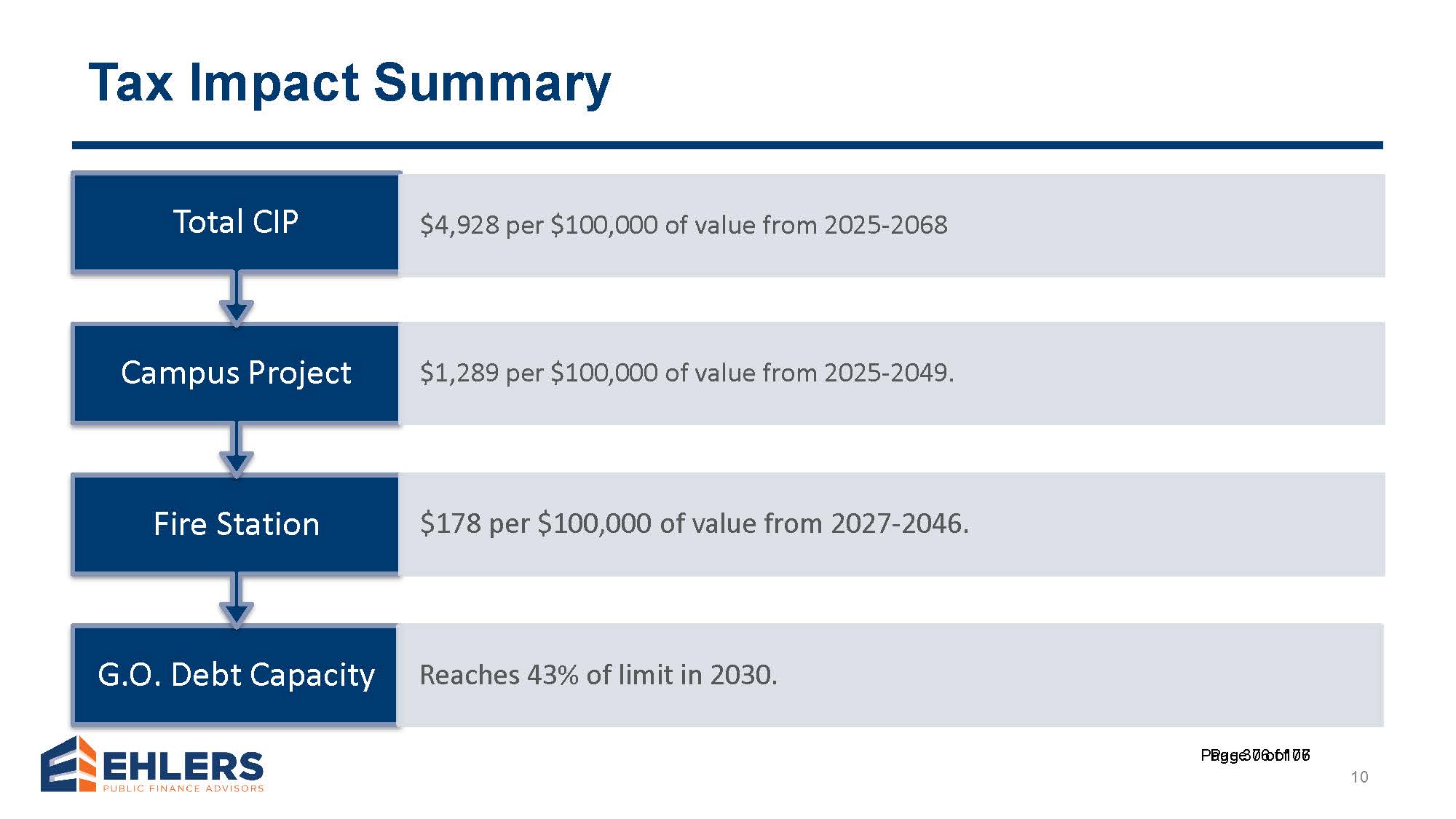
(Grand Chute Town Board Agenda Packet of June 3, 2025, page 76.)
Based on the information included on this Tax Impact Summary page, I and others observed that the Campus Project would cost Grand Chute Taxpayers $1,289 per year for 25 years. There was no reason to question Ehlers’ work regarding the tax impact statement cited above. The information I presented was merely conveyed in a manner that was inconsistent with the intent of the summary by the Ehlers’ report author. I later learned that $1,289 was the total amount an owner of a $100,000 property would need to pay during the period 2025 – 2049. Proper wording makes a huge difference.
Prior to writing the article, I contacted Ehlers regarding the Campus Project, and also about the financial impact a 1992 boundary agreement between Grand Chute and Appleton would have on the need for the project. The boundary agreement involves the potential annexation of Grand Chute properties by Appleton. I never received a reply from Ehlers officials, so I used their data as printed.
This experience should prompt us, as residents, to look at a “Bigger Picture.” Among the questions we should consider are:
- Do we want to emphasize community growth?
- Do we want to maintain farms and green space?
- Do we want to limit the size and cost of our town government?
- How much do we want to pay in taxes?
- How much debt should our town incur?
- Should current property owners be required to subsidize new housing projects?
As a town we should identify and answer such questions. Two questions I have are:
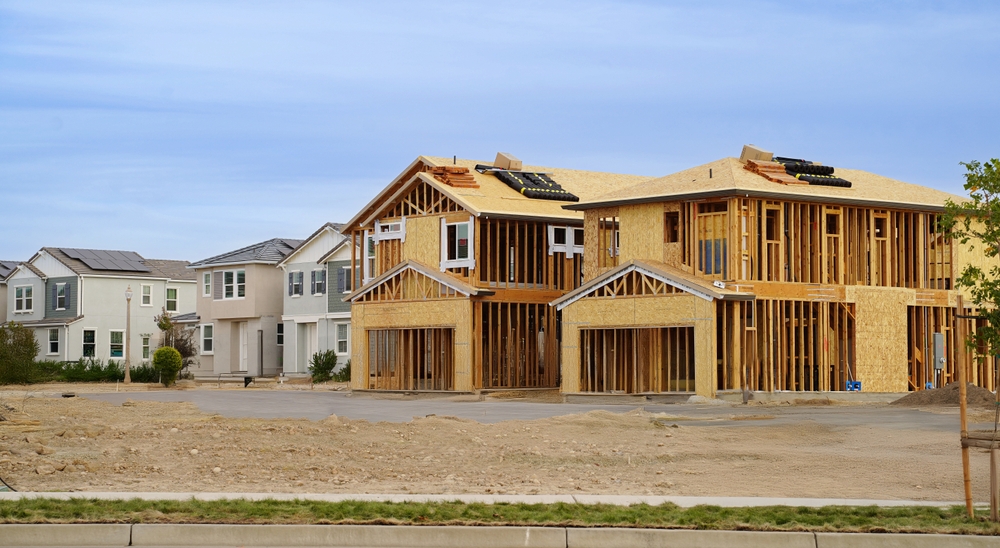
How much do we want Grand Chute to grow? Even though we are already the largest town in the state of Wisconsin, our Town Board wants to embark on an aggressive housing growth initiative that would increase our annual number of new housing units from an average of 108 per year to an average of 195 units per year over a 10-year period. It is commonly recognized that residential development requires more government services than can be funded by the tax revenues that are generated. Therefore, a residential development initiative will result in higher taxes for current property owners due to increased demands for government services.
What are the most cost-effective options for delivering wanted government services? As it concerns current and future government space needs, is new municipal construction the best, most cost-effective answer? What options have been investigated by our Board? What input has been gathered from residents concerning desired or acceptable levels of current and future property tax rates? Not only does bigger government cost property owners more money, it also costs renters more money.
Our town government exists to serve our residents. Direction regarding town growth should, therefore, come from residents. Our town government should take the time to understand the true wishes of our current Grand Chute residents, as a whole, before embarking on municipal building projects and a housing initiative that may be inconsistent with those wishes.
Let’s look at the Big Picture. Let’s find out what residents want. Conducting a community affordability survey might be a good place to begin learning the desires of our people.