
Families across Wisconsin continue to feel the strain of higher utility bills and inflation driven by Biden’s reckless energy policies – from canceling the Keystone XL pipeline to imposing a moratorium on oil and gas leasing. He then doubled down with new EPA regulations that forced the retirement of reliable coal and natural gas plants while handing out billions in green energy giveaways that distorted the market by incentivizing utilities to expand intermittent wind and solar projects that can’t meet demand.
As a former gas station owner, I know firsthand how these policies drive up costs at the pump and squeeze working families who depend on affordable energy to get to work, run their businesses, and keep life moving. So, it came as no shock when gas prices shot up nearly 40% higher, natural gas 33% higher, and electricity 17% higher compared to just a few years ago – leaving families with energy costs more than 20% higher overall.
To make matters worse, since Tony Evers became governor, his administration has approved more than $2 billion in electric and natural gas rate increases, piling even more costs onto families – causing Wisconsin households to face some of the highest energy bills in the Midwest, with average monthly utility costs over $500.
Not to mention, Wisconsin’s energy grid was recently designated as “high risk,” raising concerns that families could face reliability problems and even power shortages. This broken system has real consequences. Despite rising demand, We Energies has taken 2,500 megawatts offline from coal and natural gas plants since 2018 – enough to power nearly 2 million Wisconsin homes.
For families trying to keep the Christmas lights glowing this season, these rising costs are more than just numbers on a bill – they’re a strain on holiday traditions and household budgets.
This week, the House flipped the switch by passing a series of bills that strengthen America’s energy security and bring down costs. The State Planning for Reliability and Affordability Act ensures utilities prepare for rising electricity demand, keep reliable energy on the grid, and protect families from sudden spikes in costs caused by poor planning or retiring power plants too quickly. At the same time, the Pipeline Reviews Act improves coordination and transparency in pipeline approvals, supporting American energy development and lowering costs for families. Finally, the Electric Supply Chain Act requires regular assessments of vulnerabilities in our grid to bolster reliability and protect national security.
Together, these reforms prioritize reliability, affordability, and American energy independence – delivering real relief for Wisconsin families and ensuring we’re prepared to meet future energy needs.
Thanks again for starting off your weekend with us! We hope you enjoy this week’s edition of the Wied Wire – and wish all who celebrate a joyful Hanukkah as the Festival of Lights begins this Sunday.
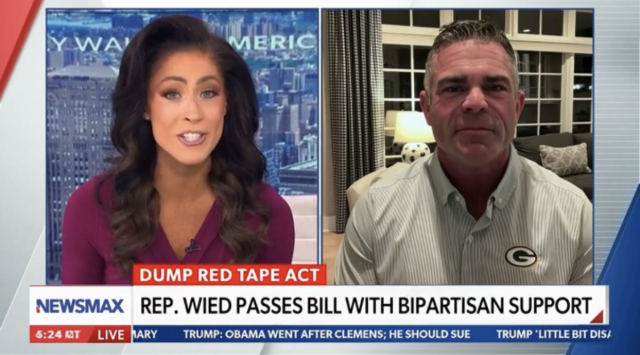
Click here to watch my latest interview with Newsmax.
In the Wieds
Restoring Support for Rural Schools
The U.S. Forest Service was established in 1905 with just 56 million acres of land, and by 1910, that number had tripled. Today, the agency manages nearly 196 million acres of land, which is all exempt from local property taxes. To offset this loss, Congress first directed a share of Forest Service revenues to counties in 1908. But as timber revenues declined, funding became unstable, and in 2000, Congress created the Secure Rural Schools program to ensure rural communities with untaxable Forest Service land could continue providing essential services. For decades, the Secure Rural Schools program has been a lifeline for rural counties, helping keep classrooms open, roads maintained, and emergency services funded. Unfortunately, the program expired in 2023, with the last set of payments going out in 2024, leaving counties without the funding they rely on. Schools were forced to make cuts, teachers were laid off, and roads went unrepaired – leaving communities uncertain how to continue basic services. I’m happy to report that on Tuesday, the House of Representatives overwhelmingly passed the Secure Rural Schools Reauthorization Act by a vote of 399 to 5 – the first time in recent history that reauthorization has succeeded as a standalone bill. I was proud to vote in favor of this legislation because it ensures that our rural schools and counties have the support they need to succeed.
Peace Through Strength
For nearly four years, the war in Ukraine has dragged on with devastating consequences for families and communities across Eastern Europe. Despite billions in aid and repeated rounds of negotiations, peace remains out of reach. European leaders continue to press for stronger guarantees for Kyiv, while Russia refuses to back down from its demands. The result has been stalled talks and mounting frustration. President Trump has made clear that endless negotiations are not acceptable. He’s also pressured European allies to stop dragging their feet – signaling that the U.S. will not waste time on meetings that fail to deliver results. This moment underscores the importance of strong leadership, as history has shown that weakness leads to war. That’s why the House’s passage of the National Defense Authorization Act this week is so important – it ensures America remains strong, prepared, and able to deter threats abroad while securing peace through strength. The Trump administration is working to end the war through direct pressure and clear expectations, rather than allowing bureaucrats and foreign governments to stall. This weekend, senior U.S. officials are set to meet in Paris with leaders from Ukraine, France, Germany, and the U.K. to discuss the plan and the path forward. These talks are a critical step toward restoring stability in Europe while ensuring that U.S. interests – and taxpayer dollars – are protected.
Celebrating the Life and Service of Chief Rehberg
On Thursday, I gave a speech on the floor of the House to honor Oconto County Police Chief Mike Rehberg, who recently lost his battle with cancer. For more than three decades, Chief Rehberg faithfully protected and served the people of Oconto County. He was known by both the community and his fellow officers for his integrity, compassion, and strong commitment to his job, family, and the place he proudly called home. He will long be remembered for his infectious laughter, mentoring the next generation of officers, the stories he loved to tell, and the practical jokes he would play on his colleagues. Mike represents the very best we have here in Northeast Wisconsin and his legacy will live on in our communities for years to come. My prayers are with his wife, Annie, and their four children during this difficult time.
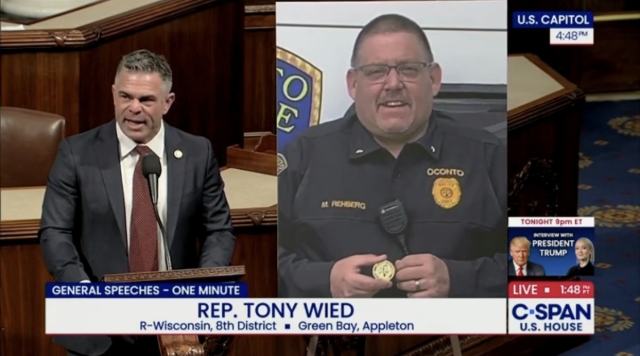
Click here to watch my floor speech honoring Police Chief Mike Rehberg.
Recent Legislation
No Secrets in SNAP Spending
It’s simple: the American people deserve to know how their tax dollars are being spent, and the government should be transparent about it. Unfortunately, 21 states are refusing to share data related to SNAP recipients with the U.S. Department of Agriculture (USDA) to ensure that the funds go to those who truly need them and to root out fraud. One of the governors who is refusing to comply with this mandatory order is our very own Governor Tony Evers. Instead of increasing transparency, Governor Evers is blocking the USDA from reviewing Wisconsin’s food stamp rolls for fraud, illegal aliens, and people who have passed away. In states that have submitted their data, audits have already uncovered serious problems – including 186,000 deceased individuals receiving food stamps and 500,000 people receiving benefits more than once. Failure to comply puts Wisconsin at risk of losing SNAP funds. This comes on the heels of Wisconsinites in need already losing their benefits for two weeks last month due to Senate Democrats, like Senator Baldwin, shutting down the government. This should be an easy fix: Governor Evers should hand over the data. If there is nothing to hide, then there should be no issue with complying. This week, I signed on to Rep. Brad Finstad’s (R-MN) SNAP Data Transparency and Oversight Act, which would require states like Wisconsin to share this data with the federal government. It shouldn’t have had to come to this, but taxpayers deserve transparency and peace of mind that their tax dollars aren’t being misused. I will always fight for accountability and look forward to passing this bill to restore trust, protect taxpayers, and ensure help goes where it’s needed most.
Turning the Tide on Aging Infrastructure
Across the country, and particularly around the Great Lakes, aging water systems are struggling to address issues such as pollution runoff, sewage overflows, and flooding. Repairing or replacing these systems is expensive and often falls upon small towns and municipalities, which have fewer resources to address these issues. In 1987, the Clean Water State Revolving Fund (CWSRF) was established as a federal-state partnership administered by the EPA that provides low- or zero-interest loans to states for projects that improve water quality, including wastewater and stormwater projects. In FY25, Wisconsin received $115 million in base and supplemental CWSRF funding. Last week, I was proud to introduce the Affordable Clean Water Infrastructure Act alongside Reps. Kristen McDonald Rivet (D-MI), Brian Fitzpatrick (R-PA), Emilia Sykes (D-OH), and Rob Bresnahan (R-PA). This bill will adjust how states are able to utilize existing funds, drastically reducing costs for communities that often face financial and infrastructure challenges when undertaking wastewater and stormwater projects. It also creates a subsidy for small, rural, and tribal treatment facilities to help them build and improve water infrastructure systems.
District Update
Bay Port’s Bennett Daul Heads to West Point
[see featured photo above] I recently had the pleasure of visiting Bay Port High School to share the exciting news that Bennett Daul received an appointment to the United States Military Academy (USMA) at West Point. This is a remarkable accomplishment, and it reflects his hard work, discipline, and dedication to service. His appointment places him among a select group of future leaders who will carry forward the proud tradition of the Long Gray Line. Congratulations to Bennett on this prestigious honor and thank you for your commitment to serving our country!
Celebrating Decades of Dedication
At a December 4, 2025, dinner celebration, the De Pere VFW Post 2113 celebrated its 90th anniversary as a veteran’s organization that supports veterans, their families, and our community. That same evening, the Auxiliary of the De Pere VFW Post 2113 celebrated its 79th anniversary of service. The De Pere VFW Post 2113 was founded on December 7, 1935, when 64 De Pere area World War I veterans came together and pledged to provide support to all veterans and the community they called home. Since that time, they have held true to those starting values. For the past 35 years, they have provided military funeral honors for deceased veterans of all branches, led the Kiwanis Club of De Pere’s Memorial Day Parade, and have proudly presented the flag colors at every West De Pere Phantoms and De Pere Redbirds varsity football home game. The Auxiliary was founded in 1946, when 21 spouses of World War I veterans came together to extend that same spirit of everlasting support. Since then, they have stood shoulder-to-shoulder with the VFW Post 2113 – helping with Brat Fry fundraisers, marching in parades, assisting Honor Guard members at football games and military funeral honors, and supporting families and soldiers during overseas deployments. Congratulations to both the De Pere VFW Post 2113 and the Auxiliary on reaching these impressive milestones of commitment, care, and enduring service!
Visit to Fox Valley Technical College
I had the opportunity to visit and tour Fox Valley Technical College (FVTC) and got a firsthand look at the impressive technical education opportunities they offer. FVTC is a renowned technical education institution that offers a wide range of programs that set students up for meaningful and successful careers after graduation.

Photo of the Week
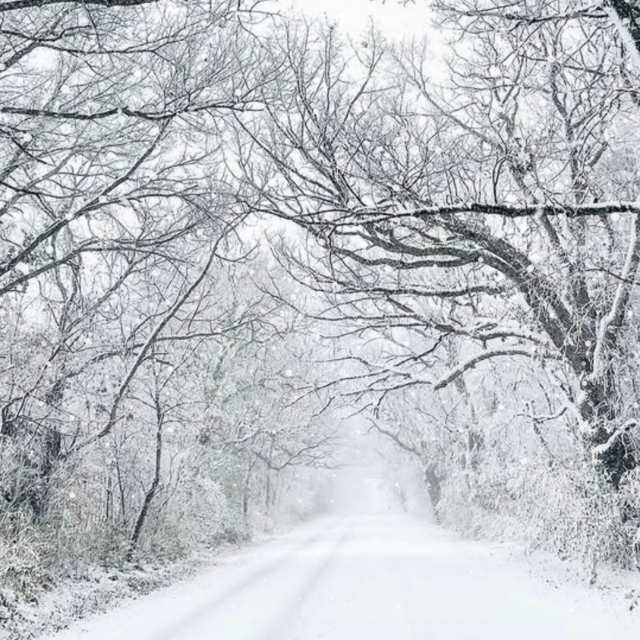
We have received so many wonderful pictures since we launched the Photo of the Week section of the Wied Wire, and I would love to continue seeing more. This week’s photo comes after the recent snowfalls, showcasing a quiet road blanketed in fresh snow – a scene that reflects the peaceful stillness that follows after a snowstorm. If you would like to submit a picture to be featured in an upcoming Photo of the Week, please email it to twstaff@mail.house.gov with your name and location. We look forward to highlighting more of your photos that celebrate the places and moments that make Wisconsin special.