Question of the Week
As we head into the new year, what legislative priorities would you like to see completed before the session ends? Click here to answer!
Year in Review
Science, Technology, and AI Committee
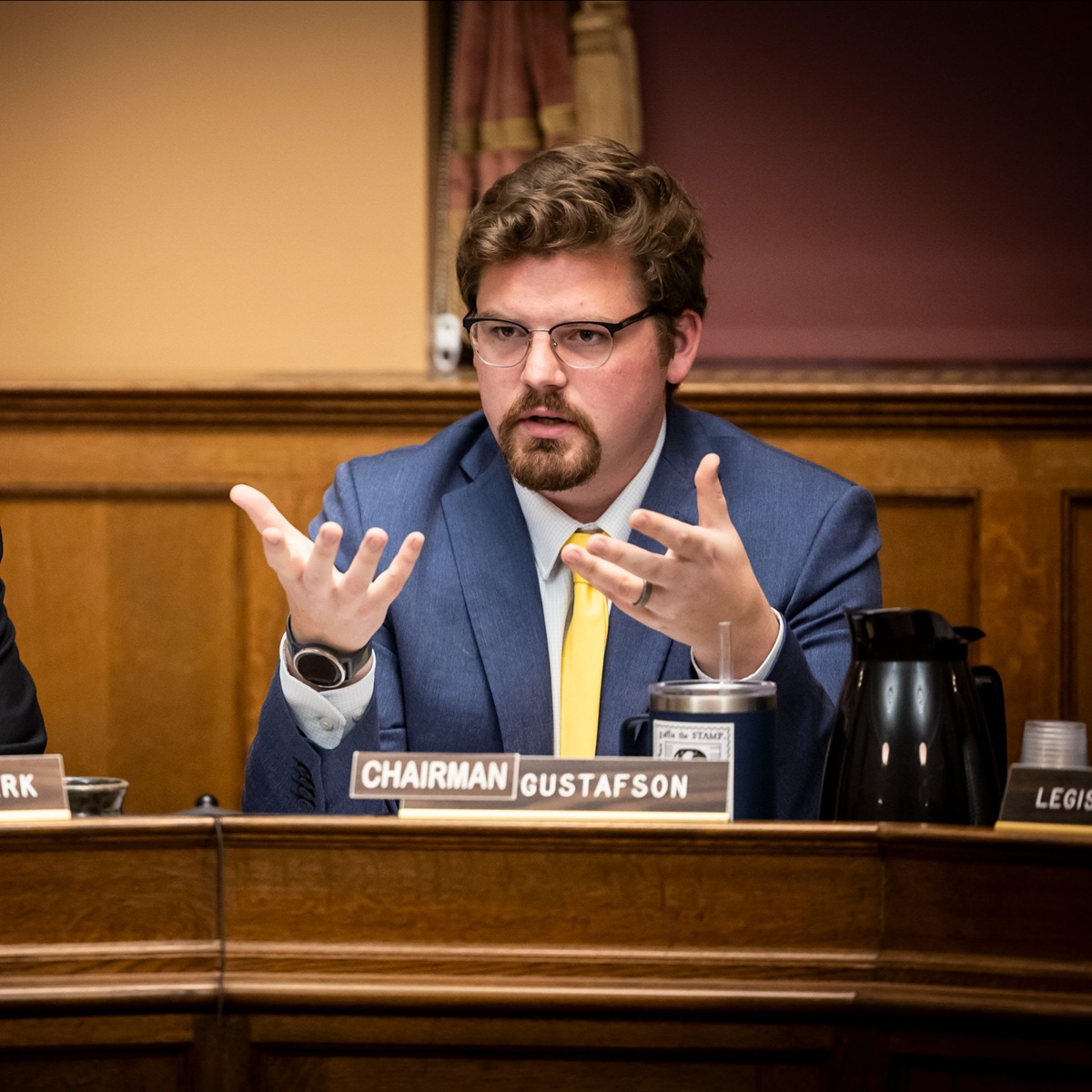
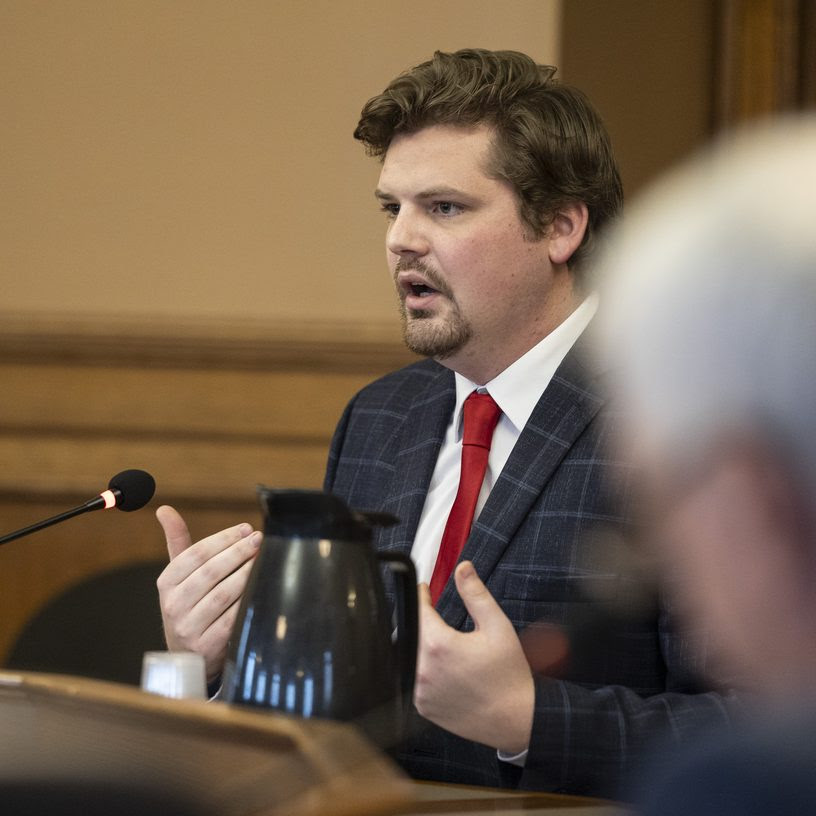
This year, as Chair of the Science, Technology, and AI Committee, I led nine hearings, where we heard testimony on numerous pieces of legislation addressing emerging technologies, education, and public safety. Through this work, the committee advanced five bills to the Assembly floor:
AB 2
Relating to: Requiring school boards to adopt policies prohibiting the use of wireless communication devices during instructional time.
Authors: Rep. Kitchens / Sen. Cabral-Guevara
Status: Enacted into law
AB 33
Relating to: Representations depicting nudity and providing a penalty.
Authors: Rep. Jacobson / Sen. Jacque
Status: Tabled
AB 204
Relating to: Creating a video game production tax credit and making an appropriation.
Authors: Rep. Moses / Sen. Testin
Status: Referred to Rules
AB 377
Relating to: Establishing English as the official state language; use of artificial intelligence or other machine-assisted translation tools in lieu of appointing English-language interpreters; and the use of English for governmental oral and written communication.
Authors: Rep. Murphy / Sen. Jacque
Status: Referred to Rules
AB 530
Relating to: The operation of drones over school property and providing a penalty.
Authors: Rep. Kitchens / Sen. James
Status: Referred to Judiciary and Public Safety
Informational Hearings
As part of the committee’s work this year, I chaired two informational hearings focused on critical and emerging issues impacting Wisconsin.
Cybersecurity
I led an informational hearing on cybersecurity, hearing from a wide range of experts and organizations, including Microsoft, the U.S. Department of Justice, Fortinet, Deloitte, Google, the Wisconsin Technology Council, the Director of State Courts, Accenture, and the Division of Enterprise Technology. The discussion centered on strengthening Wisconsin’s digital infrastructure and identifying best practices to protect state systems from cyber threats. I’m grateful to all the participants who shared their expertise and helped highlight how proactive cybersecurity strategies can better safeguard Wisconsin’s government, businesses, and communities.
Artificial Intelligence & Data Centers
The committee also held an informational hearing focused on demystifying artificial intelligence and examining the rapid growth of data centers in Wisconsin. The discussion placed a strong emphasis on their impacts on water use, environmental sustainability, energy demand, and local infrastructure. We heard testimony from 18 organizations, including Vantage Data Centers, Microsoft, Ark Data, Clean Wisconsin, and state agencies, all of whom provided valuable perspectives on how these facilities are being planned, built, and regulated.
Testimony highlighted that many modern data centers operate with closed-loop cooling systems, significantly reducing water consumption, and often leverage Wisconsin’s cold ambient air to improve energy efficiency. Speakers also discussed grid reliability, long-term energy planning, and the role of renewable energy in supporting data center operations. Importantly, the Public Service Commission has approved the necessary tariffs, ensuring that energy rates for Wisconsin residents and businesses will not increase as a result of data center development.
Beyond environmental and energy considerations, the hearing explored the economic opportunities data centers bring to Wisconsin, including construction jobs, long-term technical employment, and local tax base growth, while also underscoring the importance of responsible siting and community engagement. Overall, the hearing fostered a productive conversation about balancing innovation, economic development, and sustainability — and I look forward to continuing this important work as Wisconsin positions itself as a leader in emerging technology.
Joint Committee on Information Policy and Technology
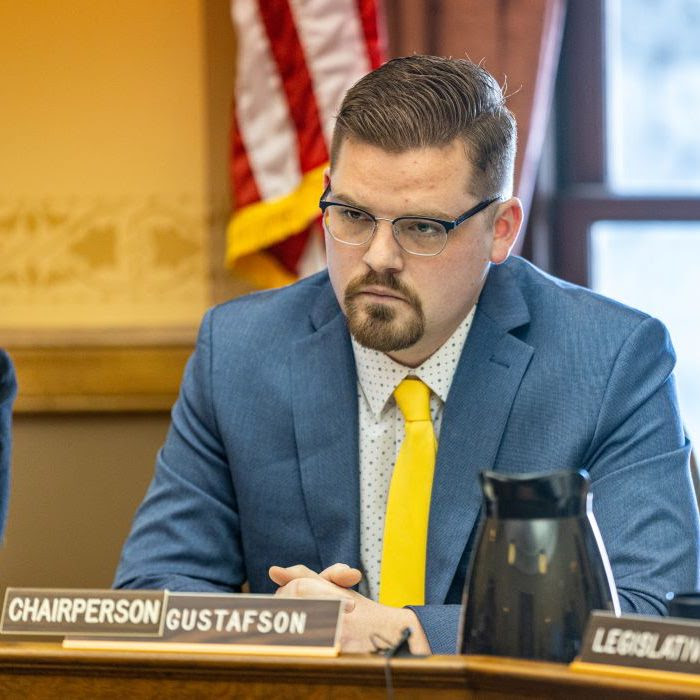
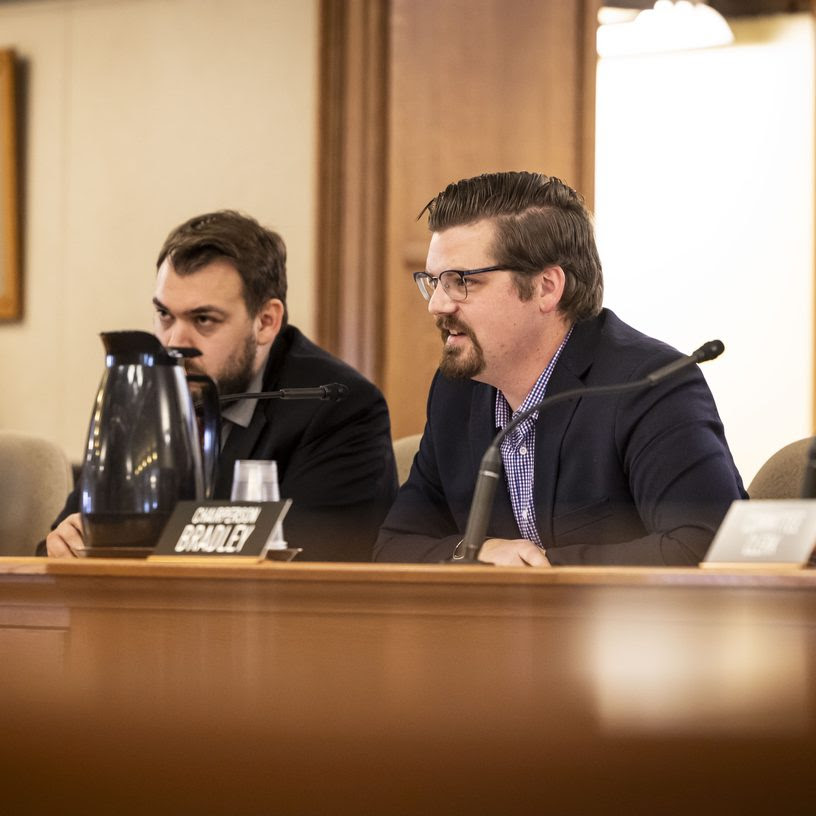
This year, for the first time in over a decade, the Joint Committee on Information Policy and Technology convened for an informational hearing — a significant step forward in strengthening Wisconsin’s digital future. I am honored to serve as Co-Chair of the committee alongside Senator Julian Bradley.
During the hearing, committee members received important updates on high-risk IT projects, MyWisconsinID, and the Master Lease Program, all of which play a critical role in the security, efficiency, and modernization of state technology systems. I want to thank the Department of Administration for joining us and providing valuable insight.
I look forward to continuing these important conversations as we work to ensure Wisconsin’s technology infrastructure remains secure, efficient, and prepared for the future.
Throughout the year, I authored 30 bills and co-authored more than 80 bills. My commitment to hearing directly from constituents was further demonstrated by over 10 in-district listening sessions, which allowed me to understand their concerns, and a total of 1,094 constituent contacts this year alone, ensuring that their priorities were brought back to the Capitol.
Before this legislative session began, I set five core initiatives to guide my work as a legislator:
-
Cracking down on excessive taxation and inflation
-
Advancing life affirming policies
-
Addressing crony capitalism and promoting fair competition
-
Strengthening public safety by addressing drug trafficking and border-related challenges
-
Protecting election integrity
These priorities have helped shape the legislation I supported and the issues I focused on throughout the session. Here are SOME highlights on how I have stayed true to my initiatives during this year:
1. Cracking down on Excessive Taxation and Inflation
Retirement Income Exclusion Starting in 2025
Beginning with the 2025 tax year, individuals age 67 and older can exclude the first $24,000 of their taxable retirement income from Wisconsin state income tax. For married couples filing jointly, where both spouses are 67 or older, the maximum exclusion doubles to $48,000.
What this means for taxpayers:
- Single filers age 67+ with at least $24,000 in taxable retirement income could save between $1,056 and $1,836 annually, depending on their tax bracket.
- Married couples filing jointly (both 67+) with $48,000 or more in taxable retirement income could save between $2,112 and $3,672 annually.
- For married filers filing separately, each spouse age 67+ can exclude up to $24,000, resulting in individual savings between $850 and $1,836 per year. If both spouses qualify, combined savings could reach $1,700 to $3,672 annually.
This exclusion helps retirees keep more of their hard-earned income by reducing the amount subject to state tax.
Expansion of the 2nd Income Tax Bracket
Beginning in tax year 2026, Wisconsin will increase the amount of income taxed at the lower 4.40% rate:
-
Married-joint filers: Increase of $28,150, raising the bracket limit to $67,300
-
Single/head-of-household filers: Increase of $21,110, raising the bracket limit to $50,480
-
Married-separate filers: Increase of $14,070, raising the bracket limit to $33,650
This change is estimated to reduce state income tax collections by approximately $323 million in 2025-26 and $320 million in 2026-27.
What this means for taxpayers?
Depending on income level, taxpayers can expect annual savings in the following ranges:
- Married-joint filers: $605.70 to $2,153.35
- Single filers: $189.90 to $454.32
- Married-separate filers: $126.63 to $302.
Energy Sales Tax Elimination
The state budget includes $178.7 million to expand the sales tax exemption on residential electricity and natural gas.
-
The exemption now applies year-round, instead of only during the winter months.
-
This change means lower utility bills for Wisconsin households, offering long-term relief from rising energy costs.
2. Advancing Life Affirming Policy
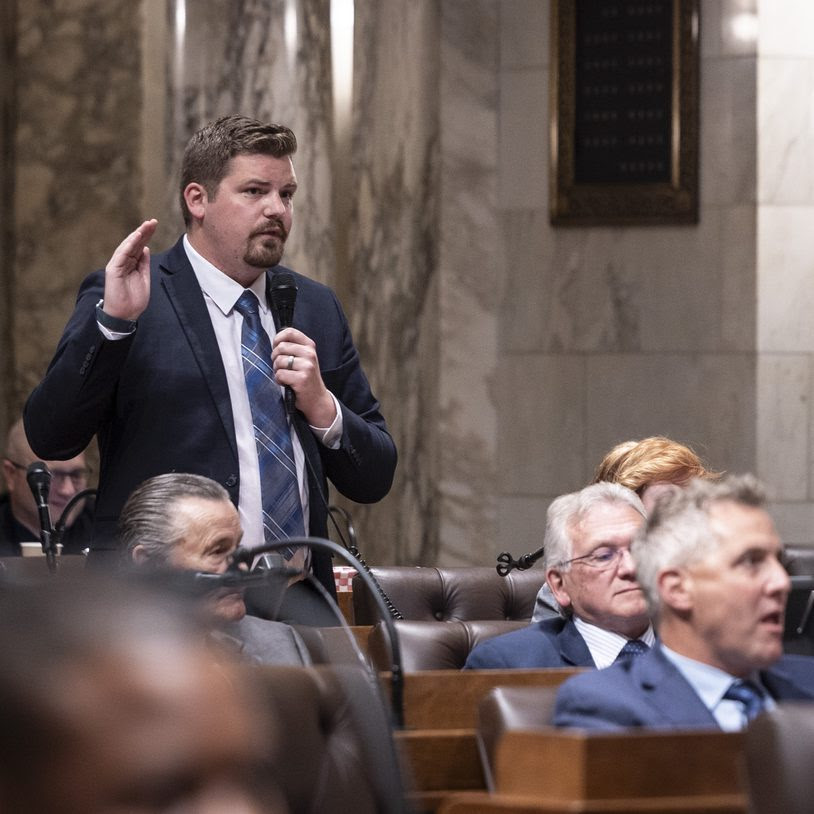
This session, I supported Assembly Bill 546 (AB 546) to strengthen Wisconsin’s life affirming laws while ensuring doctors can provide life-saving care to pregnant women without fear of legal consequences.
AB 546 clarifies the definition of “abortion” in state law by explicitly excluding necessary medical procedures that are performed to save the life of the mother and are not intended to end the life of an unborn child.
Key protections in AB 546 include:
-
Ensuring life-saving medical care is not legally classified as abortion
-
Protecting physicians who make reasonable medical efforts to preserve both mother and child in emergency situations
Clearly excluding from the definition of abortion:
-
Emergency early induction or cesarean section
-
Removal of a deceased child
-
Treatment for ectopic, anembryonic, or molar pregnancies
-
By applying this clarified definition consistently across existing statutes, AB 546 prevents unintended penalties for doctors while preserving Wisconsin’s abortion restrictions as intended by law.
This legislation protects mothers, supports physicians, and upholds the sanctity of life—a responsible, commonsense approach to life affirming policy.
3. Addressing Crony Capitalism and Promoting Fair Competition
Standing Up for Ratepayers: Stopping ROFR
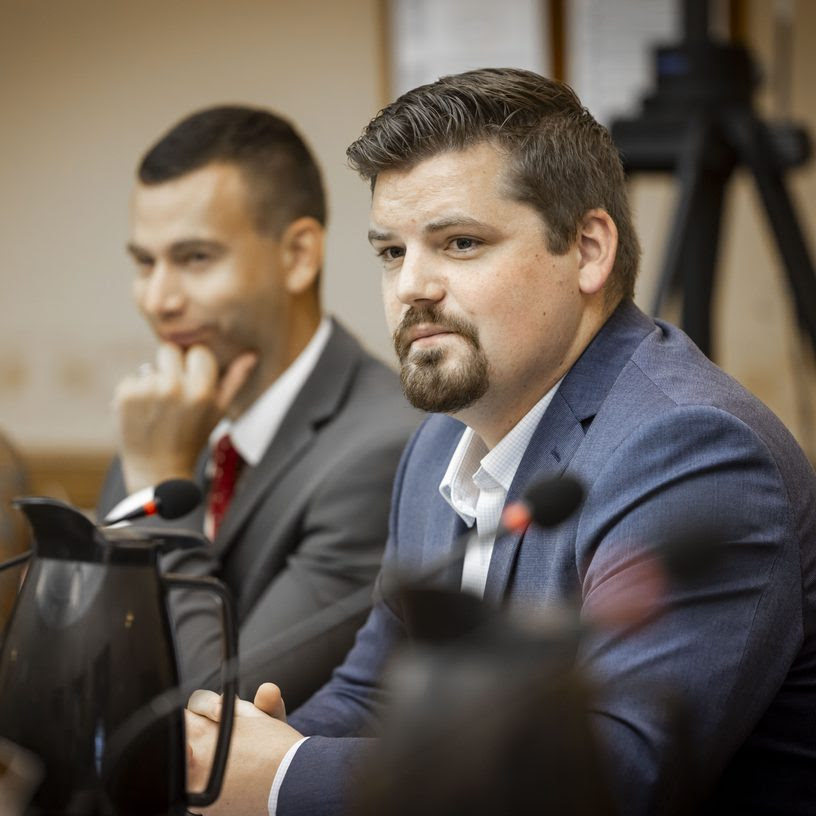
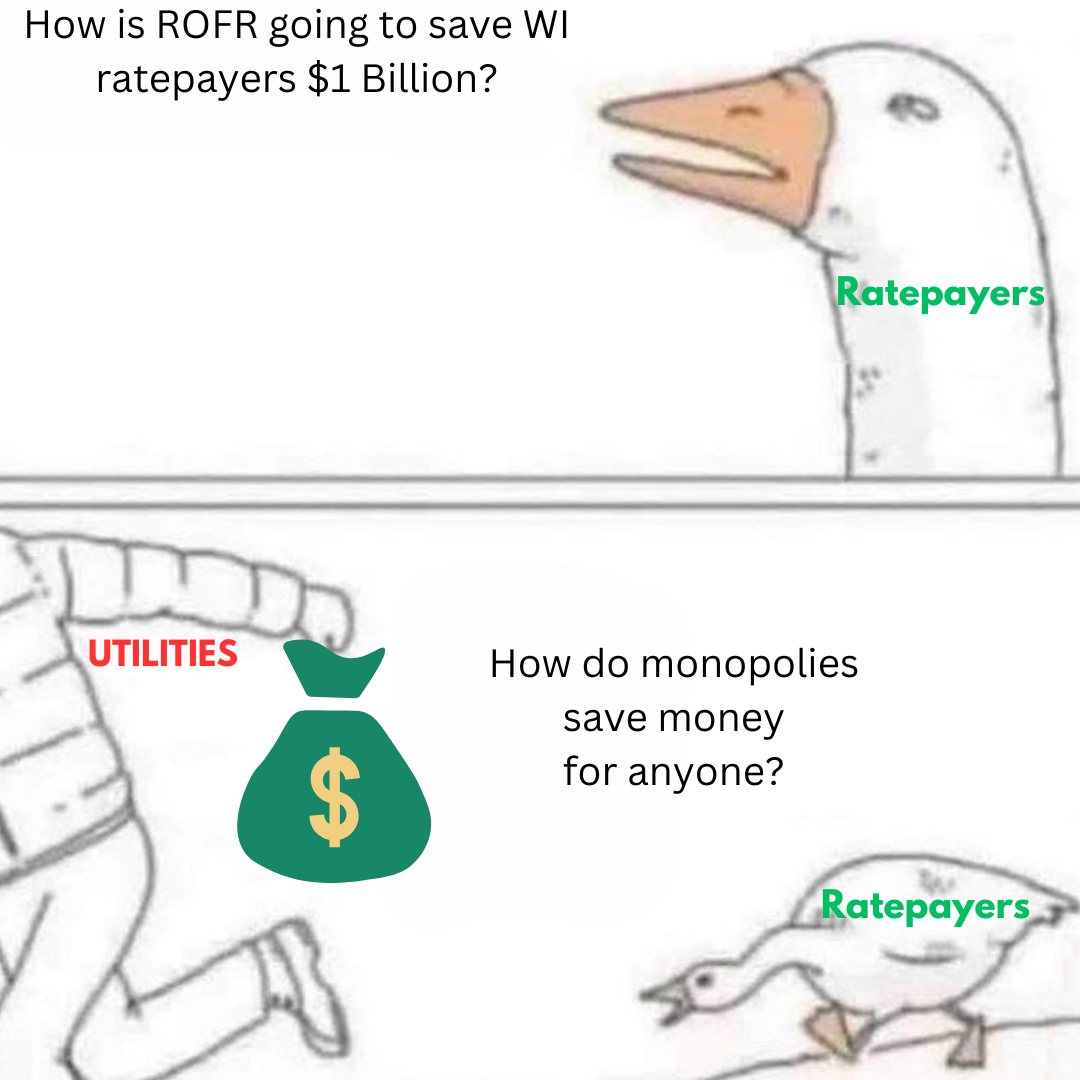
This session, I played a key role in successfully stopping the Right of First Refusal (ROFR) legislation, including AB 25 / SB 28 and its rebranded version, the so-called Wisconsin Energy Reform Act (WERA).
Despite its new name, WERA was ROFR with extra steps—a proposal that would have reduced competition, increased energy costs, and handed greater control to government-picked utility companies. I strongly opposed this top-down, government-knows-best approach that would have created a state-sanctioned monopoly and allowed incumbent utilities to continue shifting costs onto Wisconsin families and businesses.
ROFR would have:
-
Reduced or eliminated competitive bidding
-
Increased long-term costs for ratepayers
-
Concentrated power in utilities favored by the Public Service Commission
-
Undermined local control and free-market principles
Alongside other elected officials, I formally registered against the bill, spoke out publicly, and made the case that true energy reform means more competition—not more bureaucracy. Preserving competitive bidding ensures innovation, transparency, and fair pricing for Wisconsin ratepayers.
Because of this strong opposition, ROFR did not move forward. Wisconsin avoided higher energy costs and another example of government overreach into the energy market.
I will continue fighting for policies that protect taxpayers, promote competition, and keep government from picking winners and losers.
4. Strengthening Public Safety by addressing Drug Trafficking and Border-Related Challenges
As part of my commitment to strengthening public safety and addressing drug trafficking and border-related challenges, I supported 2025 Senate Bill 57, which reinforces cooperation between county sheriffs and federal immigration authorities.
SB 57 requires county sheriffs to:
-
Request proof of legal presence for individuals held in county jail for felony-level offenses
-
Comply with federal Department of Homeland Security detainers and administrative warrants
-
Track and report data on unlawfully present individuals involved in criminal activity
To ensure accountability, the bill requires annual compliance certification to the Department of Revenue, with penalties for noncompliance, and directs the Department of Justice to report this data to the Legislature on a regular basis.
This legislation strengthens coordination between state and federal law enforcement, improves transparency, and helps keep dangerous criminals off our streets—an important step in protecting Wisconsin communities and upholding the rule of law.
5. Protecting election integrity
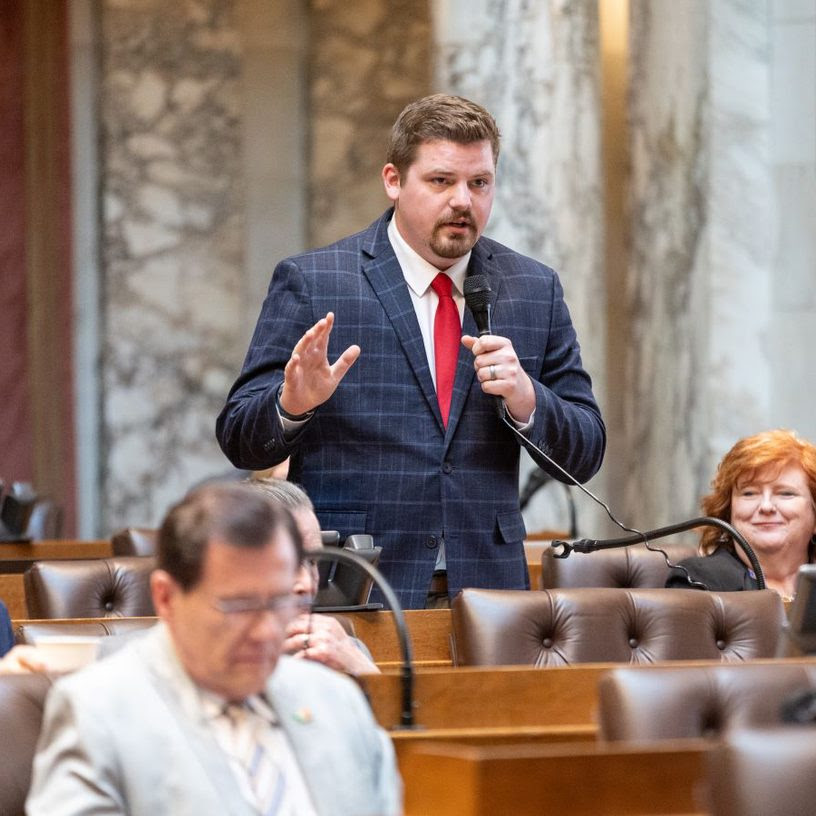
The Republican caucus introduced AJR 1, a constitutional amendment requiring voters to present valid photographic identification to vote in any election, strengthening election integrity by verifying voter identity.
-
Acceptable photo IDs include those issued by the state, federal government, federally recognized tribes in Wisconsin, or Wisconsin colleges/universities.
-
The legislature specifies acceptable IDs and may create exceptions.
-
Voters without valid ID on election day can cast a provisional ballot and provide ID later to have their vote counted.
This amendment appeared on the April 2025 ballot, and Wisconsin voters approved it passing at 62.8%, making photo ID a constitutional requirement—building on the existing state law that already requires photo ID for voting.
In-District and Across the State Tours and Events
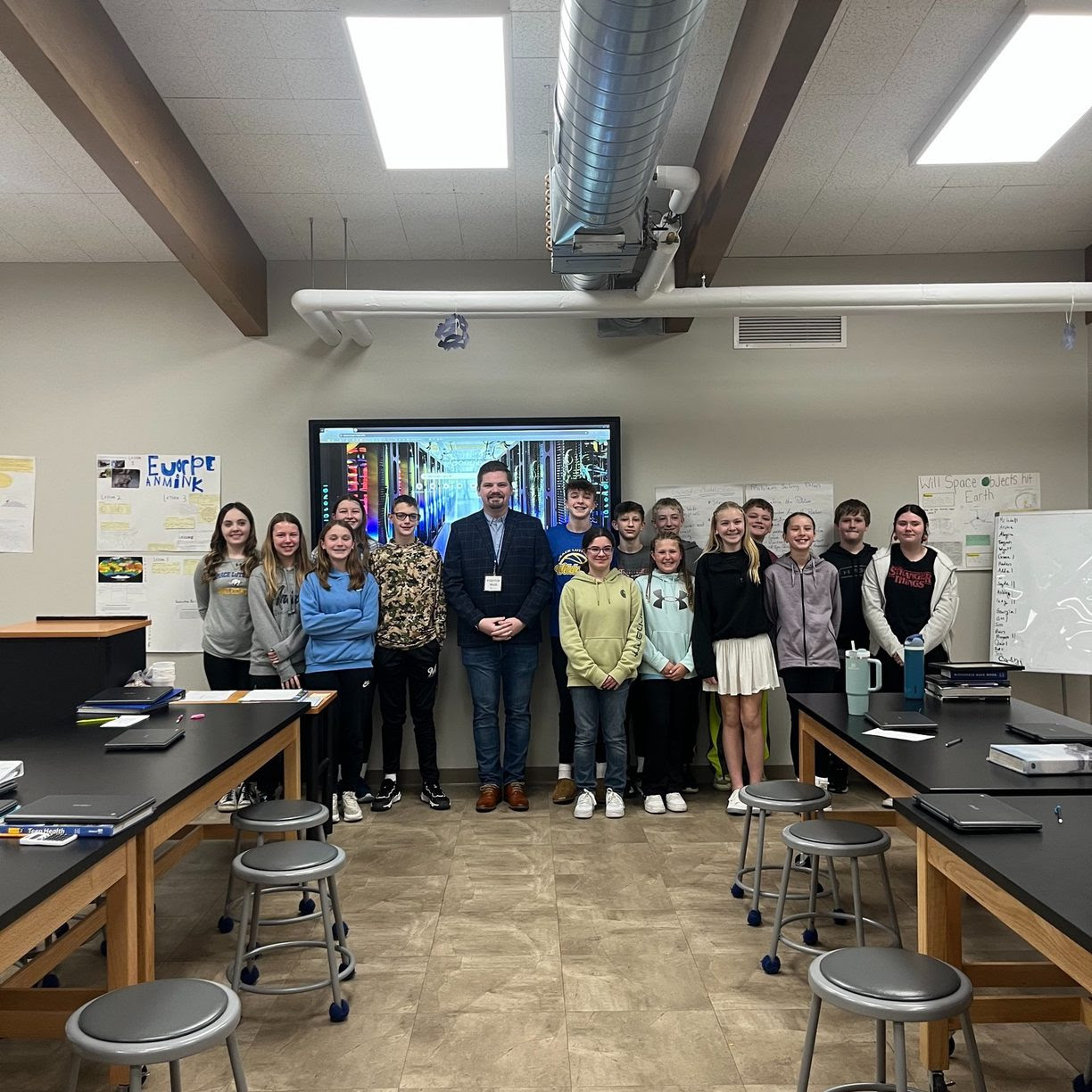
Throughout the year, I had the opportunity to attend numerous events and participate in tours both in-district and across the state. These experiences allowed me to connect directly with local employers, educators, service members, and community members.
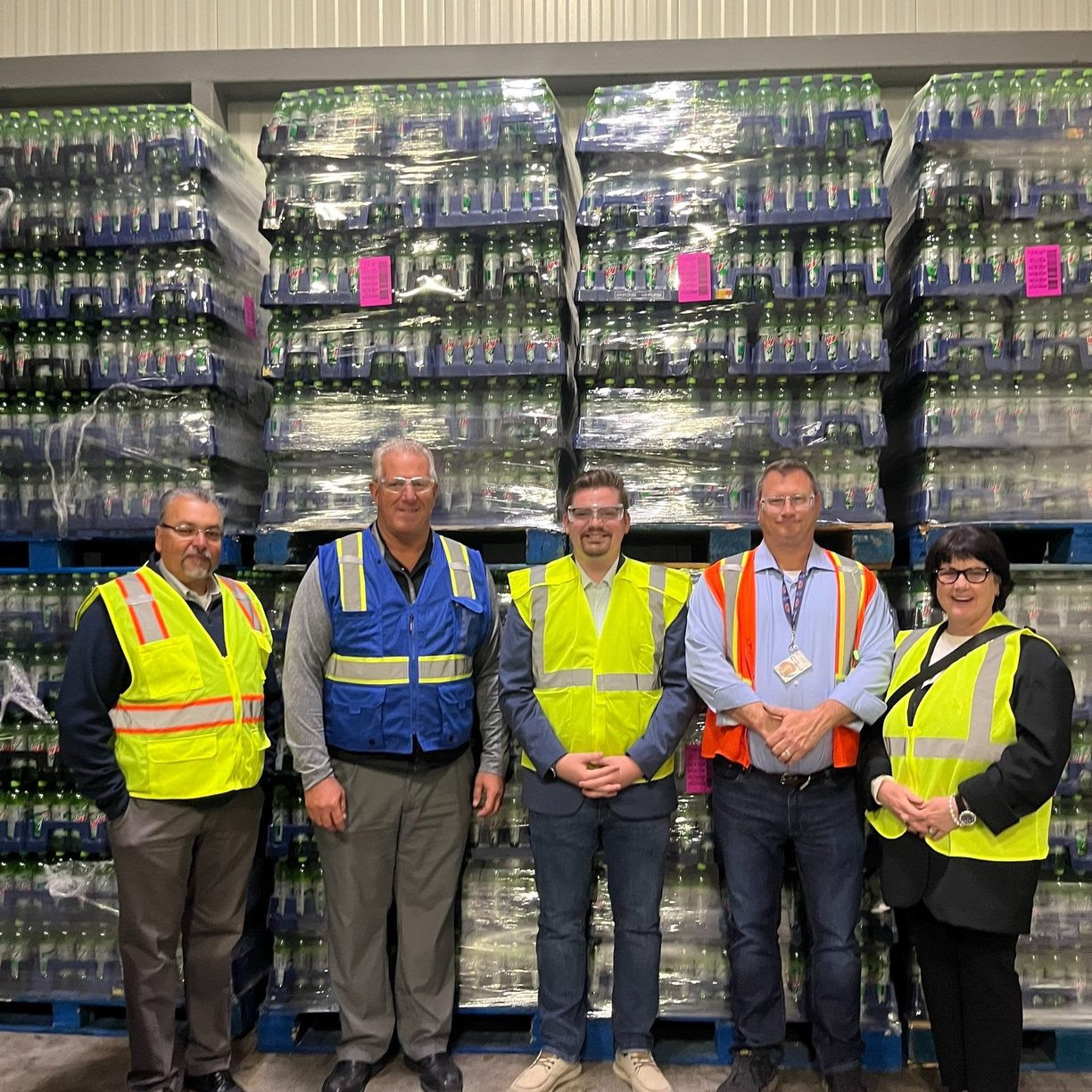
Some highlights included touring PepsiCo in Oshkosh and visiting the Wisconsin National Guard facilities in Oshkosh, where I learned more about their operations and the important role they play in our community. I also attended Microsoft’s Infrastructure Investment Announcement and participated in a roundtable discussion focused on innovation and economic growth.
I toured the S.J. Spanbauer Aviation and Industrial Center, gaining insight into aviation and industrial development in the region, and visited local schools including Oshkosh Lourdes Academy, Grace Lutheran School, Wyldewood Christian School ,and Neenah High School to meet with students and staff.

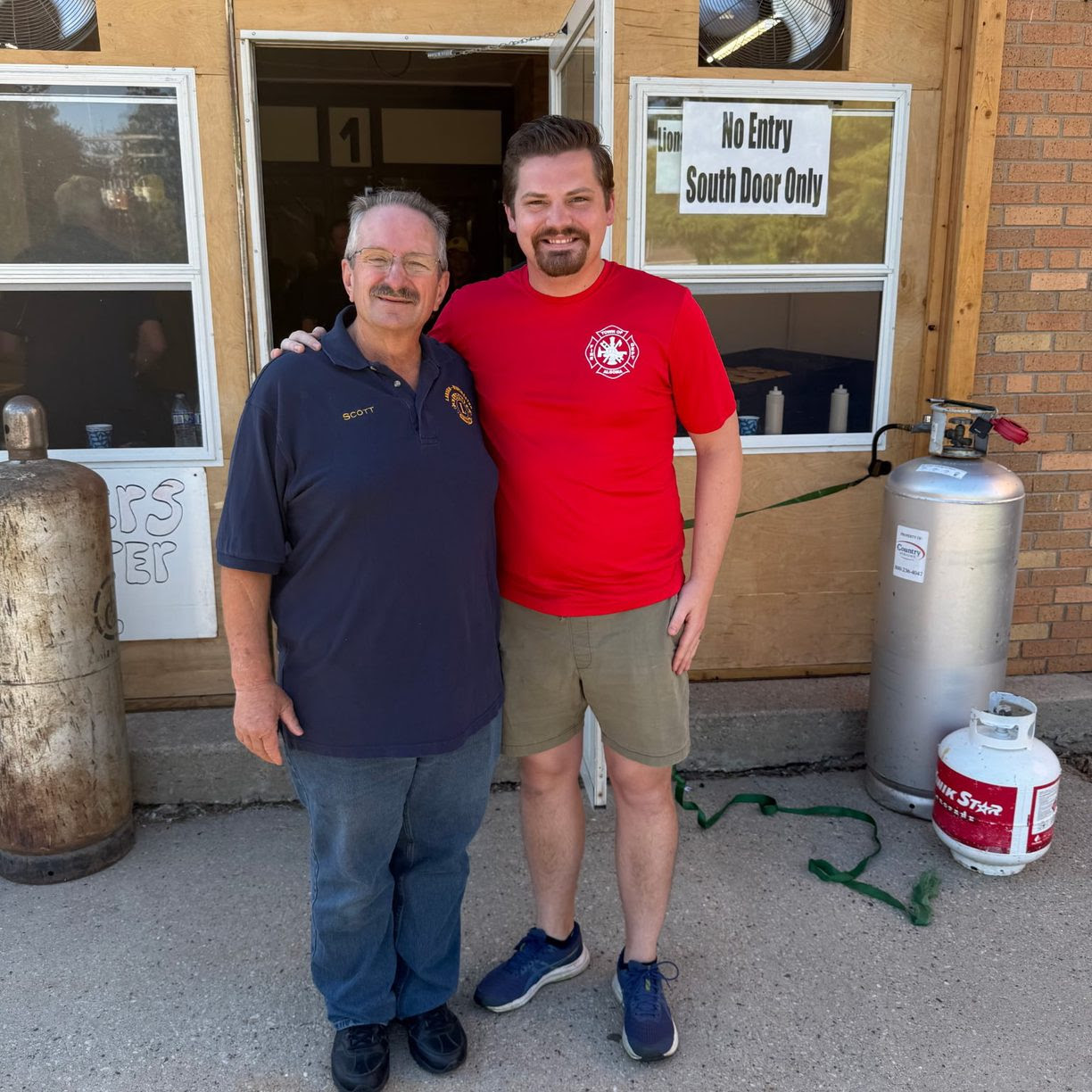
In addition, I enjoyed attending community events such as in-district pancake breakfasts, Memorial Day parades, Fourth of July parades, Labor Day events, and vigils, which provided great opportunities to connect with constituents, listen to their concerns, and hear directly about the issues that matter most to them.
Constituent Spotlight
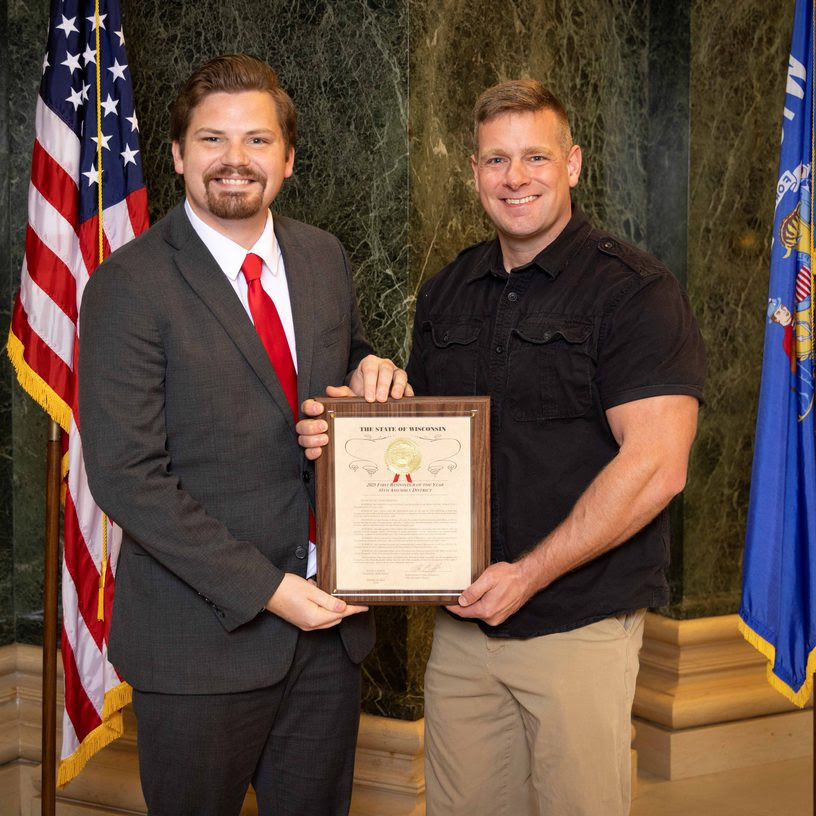
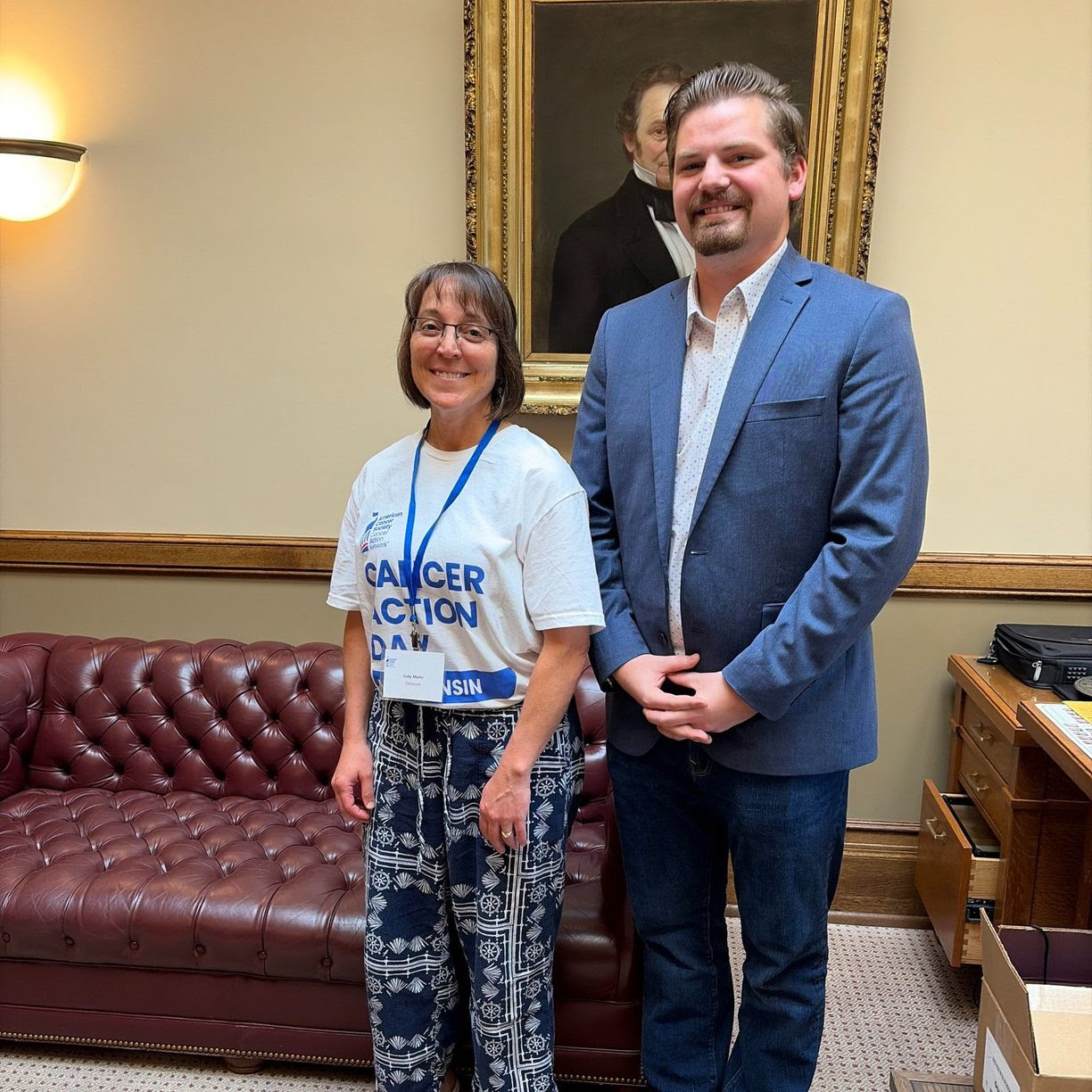
One of the most rewarding parts of this year was recognizing the incredible accomplishments of constituents from across the district and welcoming community members to the Capitol to have their voices heard. Here are just some of the constituents:
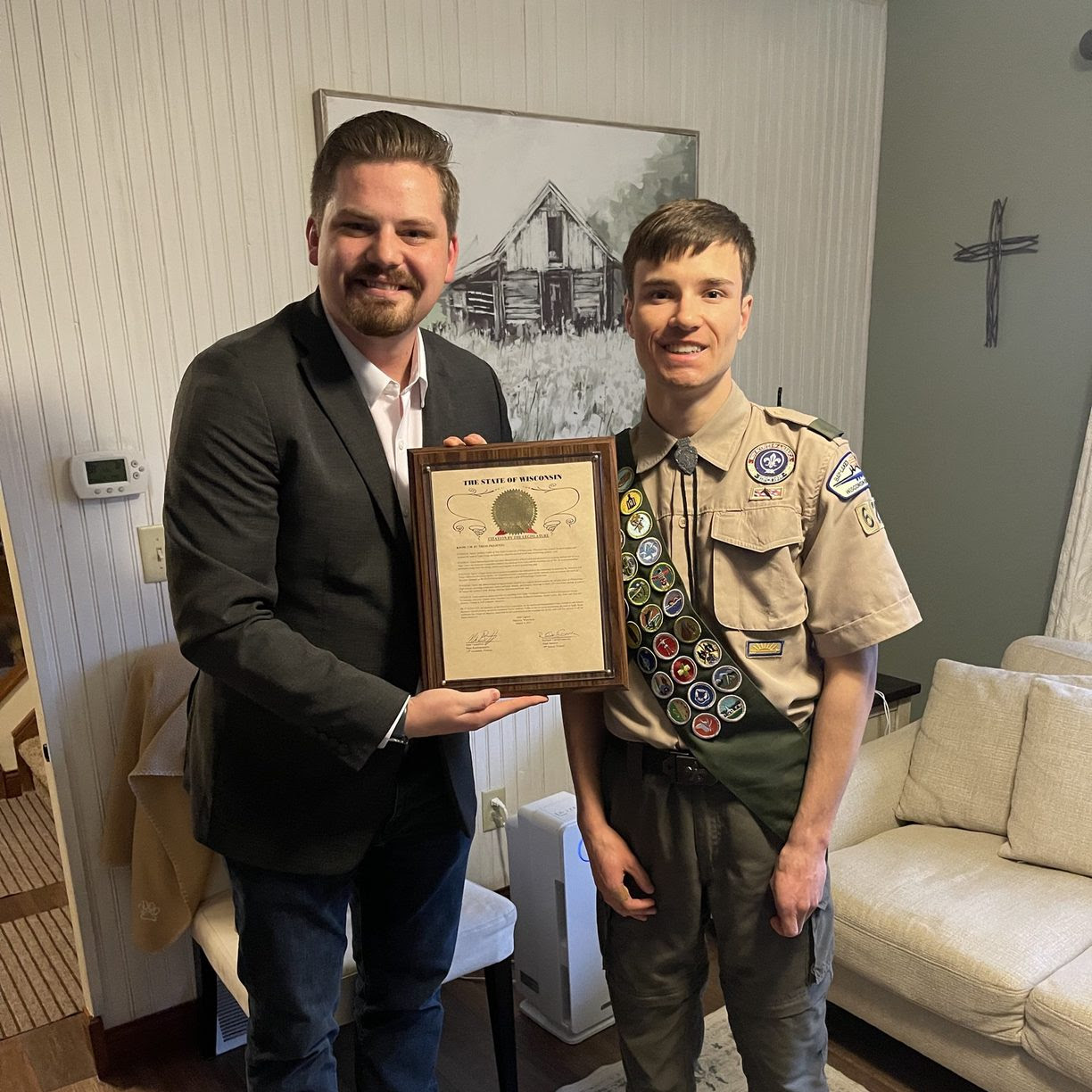
Taylor received a citation for achieving the rank of Eagle Scout, a significant accomplishment reflecting leadership, service, and dedication.
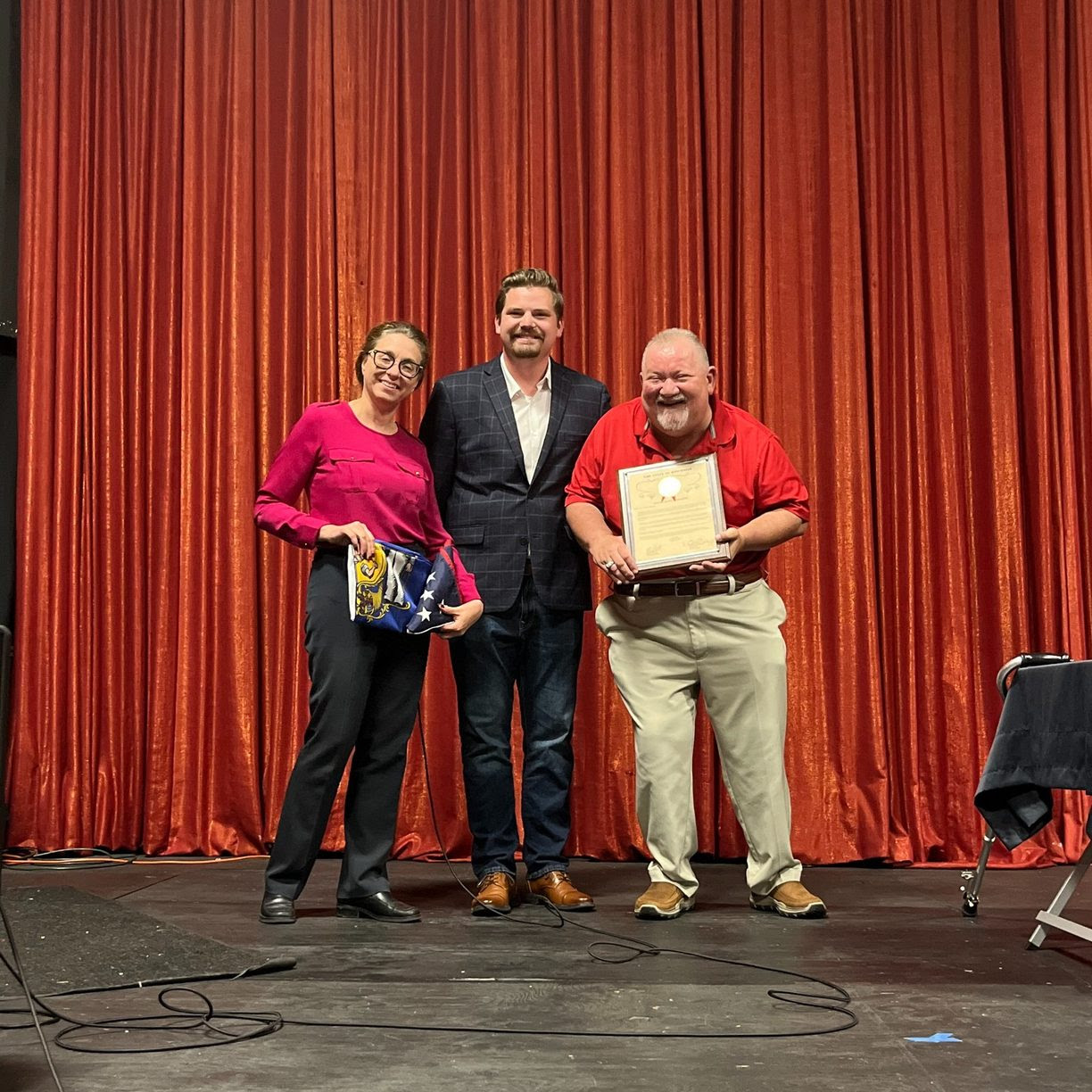
Lieutenant Colonel (Ret.) Michael Hert of Oshkosh was recognized for his extraordinary service to our country and community.
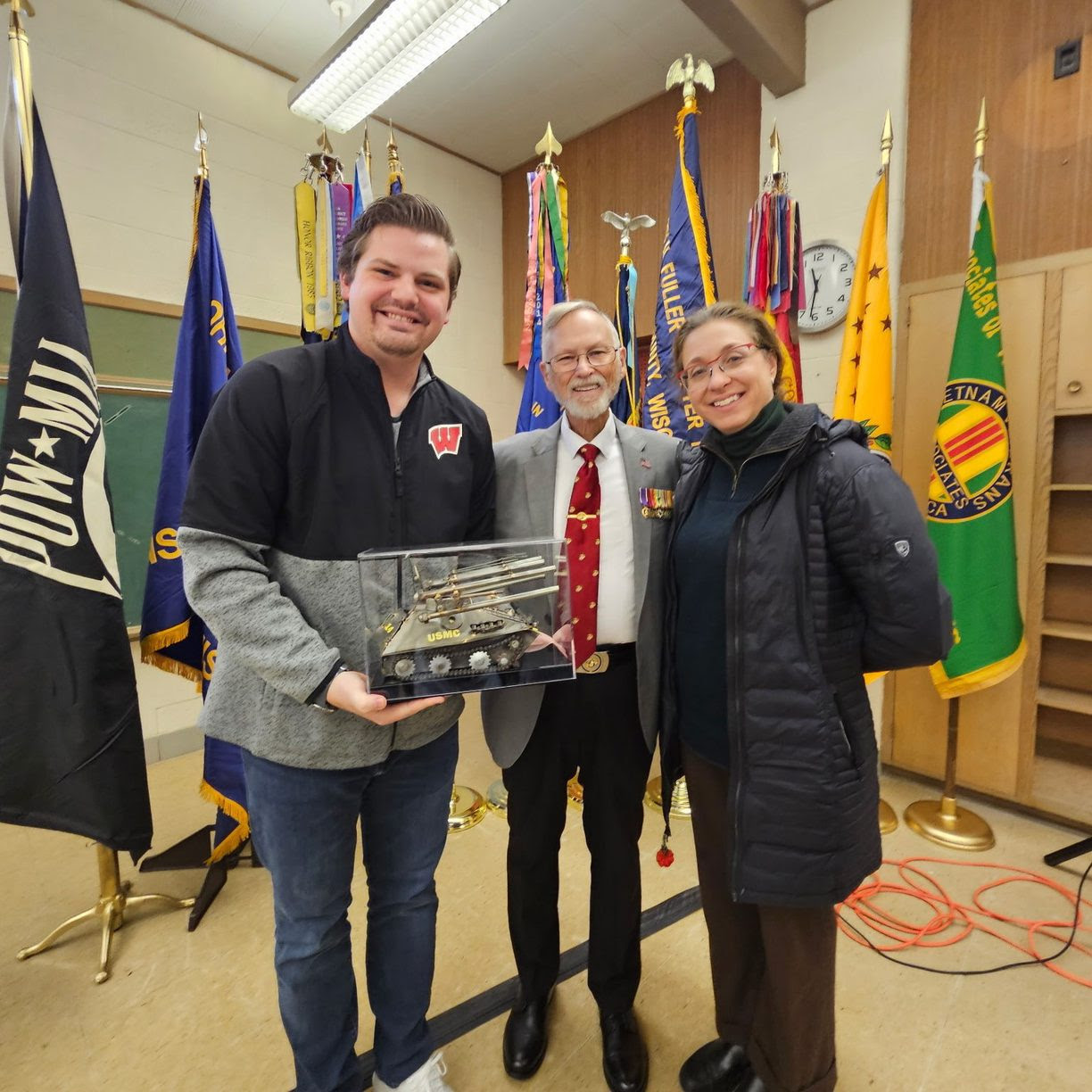
Ralph Beck, a local veteran, delivered the keynote address at the Veterans Day Ceremony in Oshkosh, honoring those who have served.

Olivia, a senior at Saint Mary’s Catholic School, was recognized for earning a perfect composite score of 36 on the ACT.

Saint Mary’s Catholic Schools students Adel and Vivie won their second consecutive WIAA Division 2 Doubles State Title.
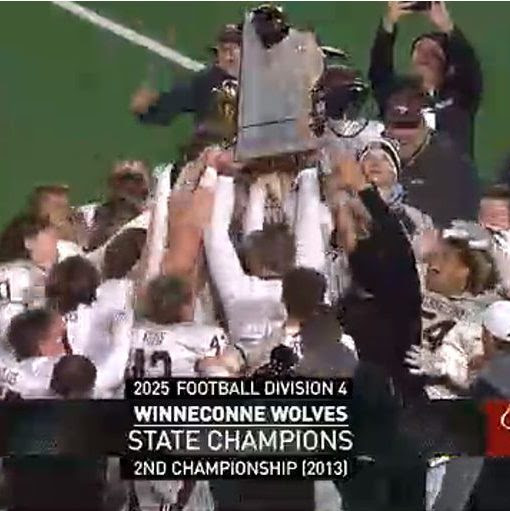
Winneconne High School Football win the WIAA Division 4 State Championship.
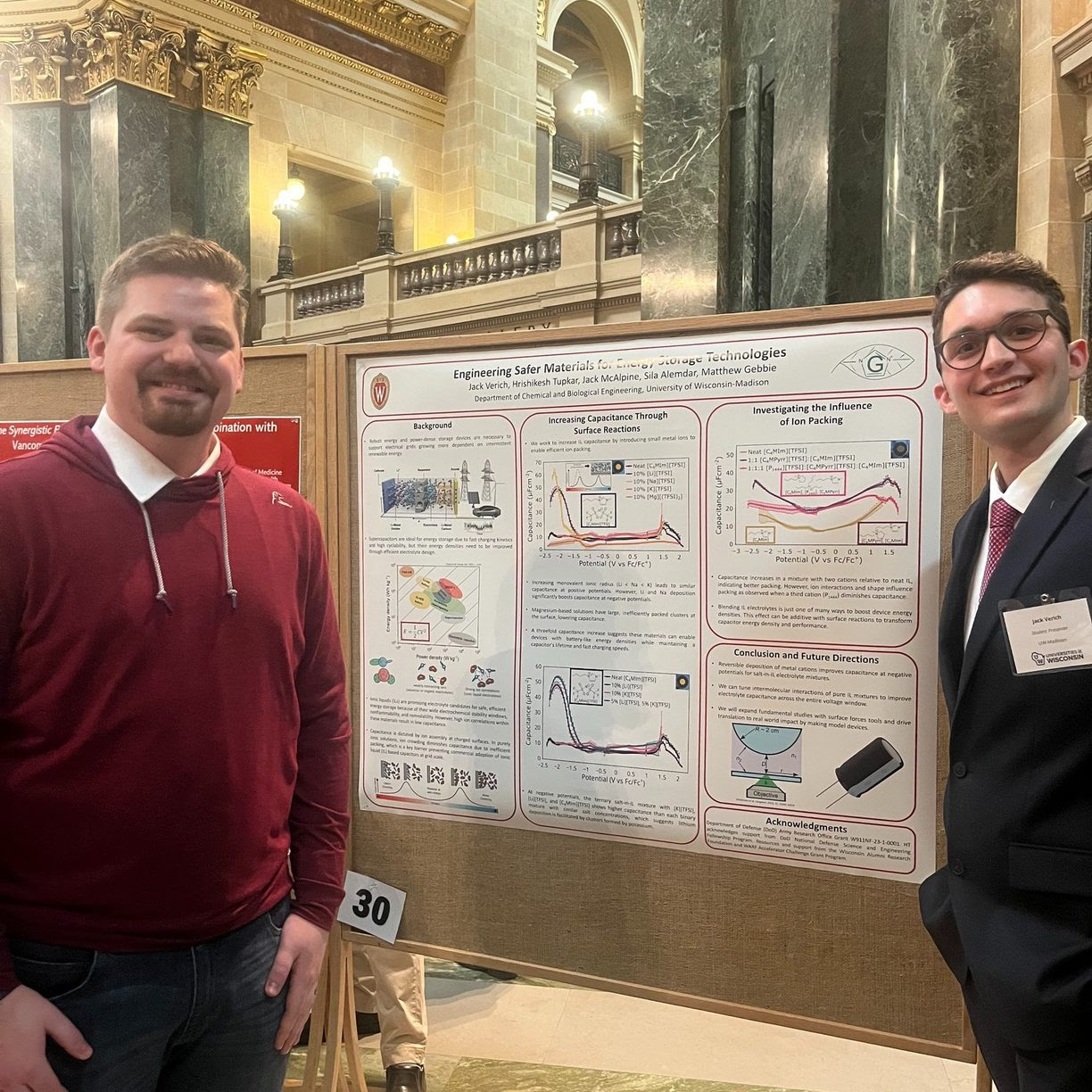
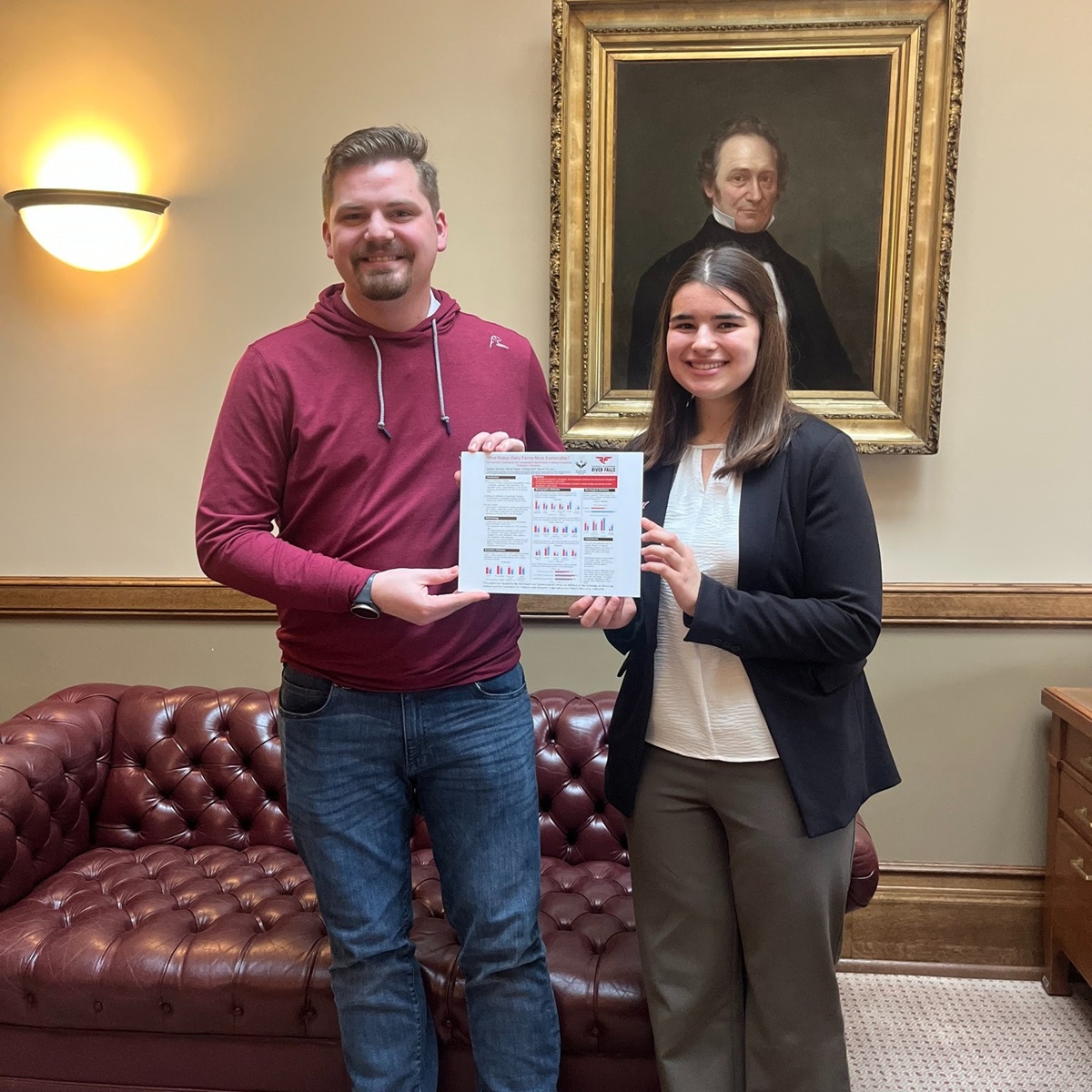
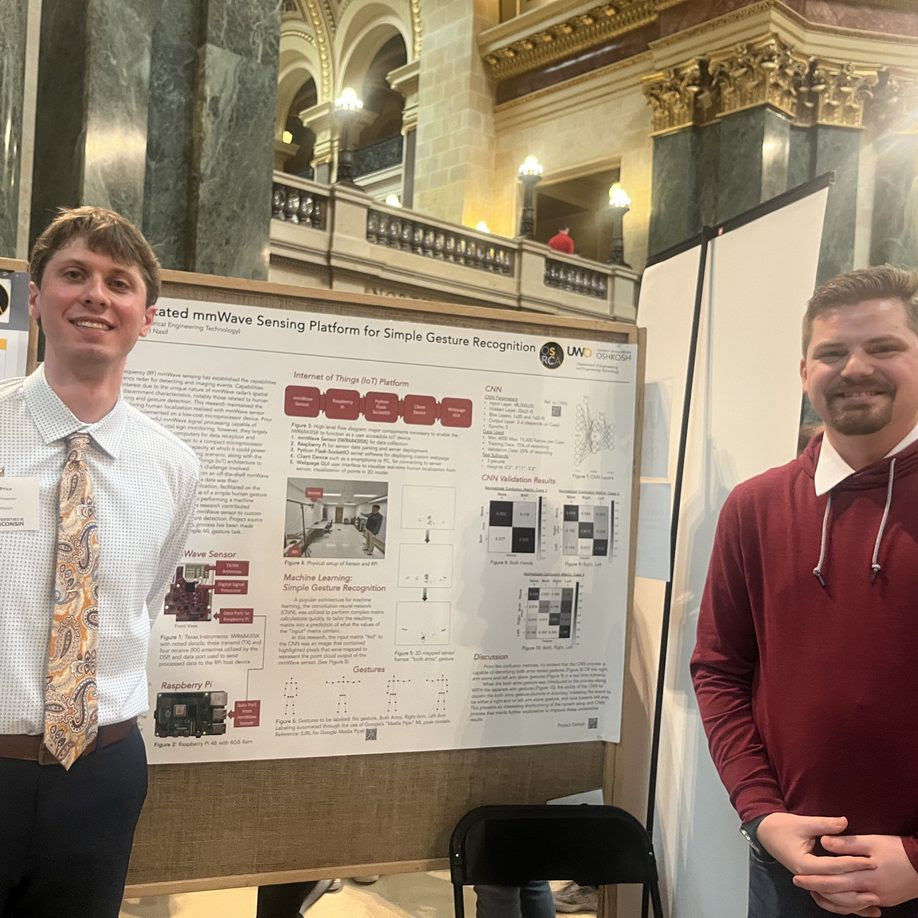
During Universities of Wisconsin Research in the Rotunda Day, I had the opportunity to meet and recognize students whose work showcased the outstanding research and innovation taking place across the UW System.
In Conclusion
As we wrap up the year, I’m grateful for the opportunity to serve and for all the meaningful conversations, accomplishments, and community engagement that made this year a success. From legislative work at the Capitol to listening sessions and events across the district, it’s been a productive year focused on delivering results for Wisconsin families. I look forward to building on this momentum and continuing the work in the year ahead—thank you for your continued support, and I’m excited to see what the next year holds.
Merry Christmas!

Blue Books
 |
If you would like a Blue Book, please email my office, and we will send one to you! |
Capitol Visits
 |
Planning a trip to Madison? Schedule a visit with me at the Capitol! Email my office! |
Follow me on Social Media!
Stay connected by following me on Facebook, Instagram, and Twitter for the latest updates from the Capitol and around the district. You can also visit my legislative website at https://legis.wisconsin.gov/